Home › Services
Pool repair across the South Bay, from hidden leaks to cracked plaster
Across Manhattan Beach and the South Bay, most pool problems announce themselves sideways. The water level drops a little faster than it should, the autofill runs all night, a corner of plaster turns rough under your feet, or the light goes dark after a winter of rain. Good pool repair starts with finding the actual cause rather than treating the symptom you noticed first. This page walks through how leaks get traced, how a tech tells a structural crack from a cosmetic one, what fails around lights, tile and valves, and how to decide whether a repair still makes sense or the pool is ready for something bigger.
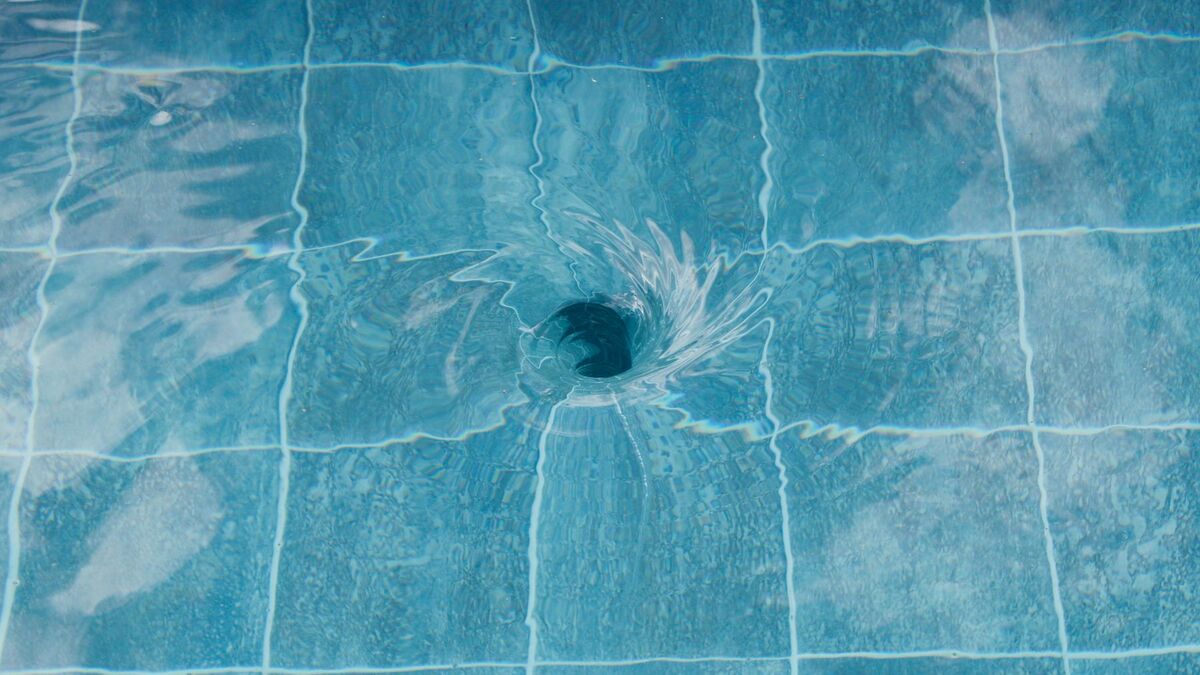
Is the pool actually leaking, or just losing water to the weather?
Every outdoor pool loses water to evaporation. On a breezy, sunny South Bay afternoon a noticeable amount can disappear without any defect at all, and a spa spilling over into the pool speeds that up.
The classic test is the bucket test. Set a bucket on the first or second pool step, fill it so the water inside matches the pool level, mark both lines, and leave the pump on its normal schedule for a day. If the pool drops noticeably more than the bucket, something other than evaporation is at work. Repeating the test with the pump off tells a tech a lot: if the loss is worse with the pump running, suspicion moves to the pressure side of the plumbing; if it is worse with the pump off, the suction side or the shell itself becomes the likelier culprit.
How a technician traces a leak once the bucket test says it is real
Leak detection is a process of elimination. A good tech narrows the search from the whole system down to a single fitting or crack, working from the cheapest, least invasive checks toward the ones that cost more time.
- Watch where the water stops. If you let the level fall with the autofill off, it often settles at the bottom of the skimmer mouth, a return fitting or a light niche, which points straight at that opening.
- Dye testing. With the water still, a diver or a tech on the steps releases a small puff of colored dye beside suspect spots: skimmer throats, return fittings, the main drain, light niches, cracks and tile lines. Dye drawn into a gap shows a leak in real time.
- Pressure testing the lines. Each plumbing run is isolated, plugged and pressurized. A line that will not hold pressure is leaking somewhere between the equipment pad and the pool, even if nothing shows on the surface.
- Listening and locating. Electronic listening gear picks up the hiss of water escaping a pressurized pipe under the deck or yard, so the eventual repair hole lands in the right spot rather than a guess.
- Checking the equipment pad. Weeping pump seals, cracked filter housings, loose unions and dripping valves leak above ground and are easy to overlook.
Skimmer and return leaks, the most common spots
Skimmers are the weak point on a lot of older pools. The skimmer body is a plastic box set into the thick concrete beam that runs along the top of the wall, and the joint between that plastic and the surrounding concrete moves differently through heat, cold and settlement. Over the years a gap opens where the throat meets the plaster or tile. Small gaps can be sealed with flexible pool putty or a specialty sealant; a cracked skimmer body or a badly separated one usually means cutting out a section of deck and coping to replace it.
Return fittings and the pipe right behind them leak for similar reasons. Threaded fittings loosen, gaskets dry out, and the short stretch of pipe through the wall can crack if the ground has shifted.
Plumbing leaks under the deck and how they get reached
On many South Bay lots buried plumbing runs under a concrete or stone deck, often in a narrow side yard. A tech who has located the leak acoustically can open a small, square patch of deck right above it, repair or replace the damaged section of pipe, test it again, and patch the surface. In sandy soil near the beach, a long-running leak can also wash out the base under a slab, which is worth checking once the pipe is fixed.
Structural cracks versus surface checks in plaster
Not every line in a pool finish is a problem. Fine, shallow crazing in plaster, sometimes called checking, is common as a finish ages or when it cured too fast, and it rarely leaks. A structural crack is different: it runs through the shell itself, often has a measurable width, may be offset so one side sits higher than the other, and usually continues in a straight or stair-step line across walls, floor or the top beam.
On hillside lots, especially on the Palos Verdes Peninsula, ground movement deserves a serious look, and a geotechnical or structural engineer may need to weigh in before a lasting fix is chosen.
Surface checking is usually left alone or handled at the next resurfacing. A structural crack is typically opened up, stabilized, often stitched with steel staples or treated with an injected sealant, and then refinished over. Patching only the plaster over a moving crack just moves the problem a few inches.
Rough, stained or delaminating plaster
Plaster is a wear surface. Over time it etches from water chemistry that runs aggressive, becomes rough enough to snag swimsuits and scrape feet, and stains from metals or leaves. Delamination is a different failure: a section of plaster lets go of the layer beneath it and forms a hollow spot that sounds dull when tapped and eventually flakes away.
Small delaminated areas and isolated chips can be patched with an underwater-cure plaster or epoxy compound, sometimes without draining at all. When hollow spots are scattered across the pool, or the whole finish is rough and porous, patching becomes a game of chasing failures. At that point the right move is a full resurface, which is covered on the pool remodeling and resurfacing page.
Loose tile and coping along the waterline
Waterline tile and coping take more punishment than any other part of the pool. They see constant wet-dry cycling, calcium buildup, sun, and in the beach cities a steady dose of salt air. Grout washes out, the mortar bed behind the tile softens, and tiles start to pop loose one or two at a time. Coping stones can rock when the mortar under them fails or when the deck beside them has moved.
Water working behind it can reach the concrete beam at the top of the wall, and steady seepage loosens neighboring tiles and can carry water into the deck joint. A repair usually means removing the loose pieces, cleaning the bed, resetting them with a proper setting material, and regrouting.
Failed pool lights and leaking light niches
Pool lights fail for a few predictable reasons: a burned-out lamp, water inside the fixture from a failed lens gasket, a tripped ground-fault protection device, or a damaged cord. The niche itself, the metal or plastic housing set into the wall, is also a common leak point. Water can escape around the conduit at the back of the niche or through a crack in the shell beside it, and the level often stops right at the light during a drop test. Sealing the conduit and niche usually fixes it. Swapping an old incandescent fixture for an LED one is often done at the same visit; the equipment side of that choice lives on the pool equipment repair and upgrades page. Any work on the lighting circuit itself should be done by a qualified electrician.
Stuck or leaking valves, and an autofill that will not behave
Diverter valves at the equipment pad route water between pool and spa, suction lines and returns. Their internal seals wear, the handles seize after years of sun, and the stems start to drip. A stiff valve often just needs to be opened up, cleaned and lubricated with the right pool-grade lubricant and given new O-rings.
Autofill units fail in two directions. A float that sticks open keeps running water into the pool and out through any leak or the overflow, and the water bill climbs. A float that sticks closed lets the level fall below the skimmer, which can run a pump dry and damage it.
Cloudy or green water that will not clear is often a hardware problem
If water stays cloudy or keeps turning green no matter how carefully the chemistry is managed, the cause is often mechanical. Circulation and filtration problems show up as water problems first. A tech chasing that kind of stubborn water will look at a short list of likely causes.
- A pump that is losing prime or sucking air through a cracked lid or loose fitting, so it moves far less water than it should.
- A filter with torn cartridges, broken laterals or failed grids, letting fine debris pass straight back into the pool.
- A timer or automation schedule set too short after a power outage or a seasonal change.
- A salt cell that is scaled, worn out or reporting a fault, so the pool simply is not getting sanitizer.
Repair or remodel: how to decide on an older South Bay pool
A single leak, a loose row of tile or a dead light is a repair. The harder call comes when several problems stack up on an older pool at once: rough plaster, failing tile, a skimmer that leaks again, and equipment near the end of its life.
A useful way to think about it is to ask what the next repair will disturb. If fixing a plumbing leak means breaking the deck, and the deck is already tired, that may be the moment to plan new decking. A good repair proposal names the cause it found, the method it will use, what it will leave behind, such as a visible deck patch, and what else it noticed that may need attention soon.
Repairs should be priced after a contractor has seen the pool and, where needed, run leak detection. Access, how deep the problem sits, the materials that need matching and whether the pool must be drained are the main cost drivers. To get started, send the address and a few photos of what you are seeing, and the pool contractor working the area can take it from there. Repairs come up in every community listed on the communities served page.
Pool repair across the South Bay — common questions
How much water loss per day is normal for a pool in Southern California?
There is no single right number, because evaporation depends on sun, wind, humidity, water temperature and whether a spa or water feature is running. A warm, breezy day loses far more than a gray marine-layer morning. That is exactly why the bucket test matters: it measures evaporation in your own yard on the same day, side by side with the pool. If the pool consistently drops more than the bucket over a day or two, the difference points to a leak worth tracing.
Can a pool leak be fixed without draining the pool?
Often, yes. Skimmer gaps, small cracks, light niche leaks and many fitting leaks can be sealed underwater with putties, epoxies and sealants made for wet application. Buried plumbing is reached from the deck side, so the water can usually stay. Draining is more likely when a structural crack needs to be opened and stitched, when large plaster areas have failed, or when tile repair runs below the waterline. Draining near the beach also carries groundwater considerations, so it should be planned rather than done casually.
Why does my pool water level stop dropping at the same spot every time?
That resting point is one of the best clues a tech can get. Water drains out of an opening until the level falls below it, then stops. If the level always settles at the bottom of the skimmer mouth, the skimmer or its plumbing is the prime suspect. If it settles at the light, look at the niche and its conduit. If it keeps dropping to the floor, the main drain or a crack lower in the shell becomes more likely. Note where it stopped before you refill.
Are hairline cracks in pool plaster something to worry about?
Fine, shallow crazing that does not run in a clear line usually is not a leak and is common on aging or fast-cured plaster. What deserves attention is a crack that is wider, continues across the floor or up a wall, shows an edge where one side sits higher, or lines up with cracks in the deck or coping. A dye test right at the crack will show whether water is being pulled into it. When in doubt, have it looked at before it grows.
Why did my pool light stop working after it rained?
Rain and irrigation can push water into junction boxes or a light fixture with a tired gasket, which often trips the ground-fault protection on the lighting circuit. Sometimes resetting it brings the light back; if it trips again, there is a fault that needs attention before the light is used. Water visible inside the lens means the fixture needs to be resealed or replaced. Because this is an electrical problem in and around water, a qualified electrician should handle the circuit side.
What should a pool leak detection report include?
A useful report lists what was tested, how, and what each test showed: the bucket test results, which openings and cracks were dye tested, which lines were pressure tested and whether each held, and where any leak was located. It should say plainly whether the leak was found, recommend a repair method for each problem, and note anything that could not be tested. Photos of the dye tests and the pad help when you compare repair proposals later.
Talk through your site
Start with the address, what you want done, and a few photographs of the area, including anywhere water sits after a heavy rain.
Related work
Pool Construction
New in-ground pools and spas on tight beach-city lots and hillside sites, from design and permits to plaster.
Pool Remodeling and Resurfacing
Replastering, new tile and coping, reshaping, adding a spa or sun shelf, and modernizing an older pool.
Pool Equipment Repair and Upgrades
Pumps, filters, heaters, heat pumps, automation and salt systems, repaired or replaced and set up right.
Weekly Pool Service and Cleaning
Routine cleaning, water chemistry, filter care and the checks a good weekly service catches early.
Across the metro
Hermosa Beach
Tight walk-street and hillside lots with narrow access, salt air and small backyard pools and spas.
Redondo Beach
A mix of older homes, newer townhomes and hillside lots, plenty of remodels and equipment swaps.
El Segundo
A small-town grid of older homes and remodels, with limited yard space and alley access.
Torrance
Larger lots, mid-century homes with aging pools, and the South Bay busiest market for remodels.
Palos Verdes
Hillside and view lots on the Peninsula with soil and slope questions, big pools and complex access.