Home › Services
Pool remodeling and resurfacing for older South Bay pools
Plenty of South Bay pools were dug decades ago and still have good bones. What wears out is everything the water touches: the interior finish, the waterline tile, the coping, the lights and the drain covers. A remodel strips a tired pool back to its shell and rebuilds the surfaces, and it is the right moment to change what never worked, whether that means a shallower deep end, a spa, a sun shelf or quieter equipment. Near the beach there is one more wrinkle: emptying a pool where groundwater sits close to the surface takes real care. Here is how a pool contractor approaches a remodel in Manhattan Beach and nearby cities, and what to look for in the proposal.
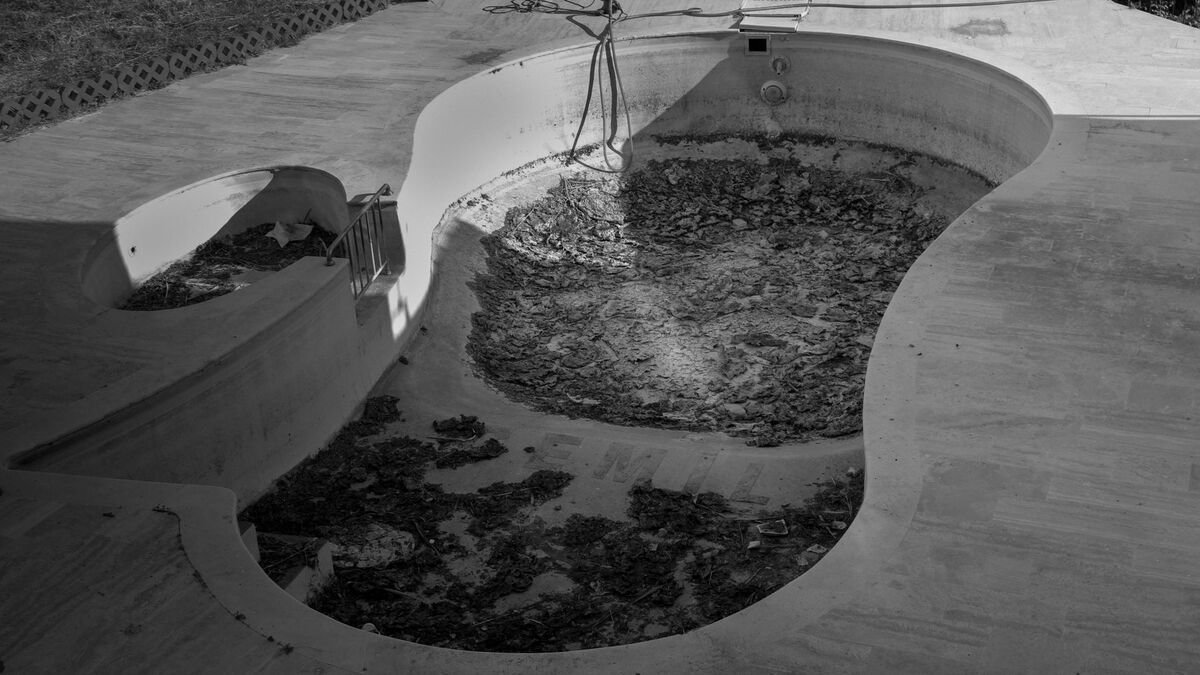
Signs an interior finish has reached the end of its life
Plaster does not fail all at once. It roughens slowly as the surface etches, and owners notice it first on their feet or in snagged swimsuits. Stains that no longer lift with brushing, gray or brown mottling, chalky residue in the water, and spots where the darker shell shows through are all signs the finish has thinned. Hollow-sounding patches that crack or flake off mean the finish has let go of the surface beneath it.
One worn patch can sometimes be repaired, and isolated problems are handled on the pool repair page. When the wear covers the floor and walls, patching just buys time, and resurfacing the whole interior is the honest answer.
Plaster, quartz or pebble: choosing the new interior finish
The finish sets how the water looks, how the pool feels underfoot and how long the surface lasts before the next remodel. Each family has a place:
- White plaster is the classic smooth finish and the lowest-cost option. It gives the water a bright, light blue cast but is the most sensitive to water chemistry and shows staining sooner.
- Quartz finishes blend colored quartz granules into the plaster. They are harder and more stain resistant, come in many colors, and still feel fairly smooth.
- Pebble finishes expose small natural stones at the surface. They are the most durable family and hide minor staining well, though the texture is noticeable on bare feet.
- Polished or fine-pebble versions grind or size the stones for a smoother feel while keeping most of the durability.
Replacing waterline tile and coping on a coastal pool
Waterline tile collects a band of calcium scale where the water evaporates, and older tile often loosens or cracks as the grout fails. Coping, the cap along the pool edge, takes salt air, sun and foot traffic, and natural stone near the ocean can pit or shed its surface. Because removing the finish disturbs the edges anyway, most remodels replace tile and coping in the same project instead of fighting two separate messes years apart.
Replacement coping is a chance to rethink the material. Dense stone, precast concrete or exterior porcelain usually resist salt better than soft limestone. The seam between coping and deck should be filled with a flexible sealant rather than grout, so the deck can move without levering the new tile loose.
Changing depth or shape during a remodel
Many older pools have a deep diving end that few families use. Filling part of that deep end with new steel and concrete creates more standing room, and benches or wider steps can be added along the walls. Smaller shape changes, such as squaring a curve or extending a wall, are also possible.
Any change to the structure needs an engineer's design and a permit, because new concrete must tie properly into the old shell. Before quoting, the contractor checks the condition of the existing shell and plumbing; a remodel built on a cracked or leaking shell only hides the problem.
Adding a spa, sun shelf or baja step
A spa is the most requested addition. It can be built inside the existing pool by walling off a corner, or attached at the edge and raised with a spillway into the pool. Either way it needs its own plumbing, a heat source and a control valve system, which affects the equipment plan.
A sun shelf, also called a baja step or tanning ledge, is a wide shallow platform at the entry where people can sit or lounge in a few inches of water. On a small beach lot it often adds more everyday use than extra length would. Both additions are structural, so they ride on the same engineering and permit as any shape change.
Upgrading lights and equipment while the pool is empty
An empty pool is the easiest time to reach light niches, return fittings and the plumbing that feeds them. Older incandescent lights are commonly swapped for LED fixtures that use less power and can change color, and dead niches can be resealed. Remodels are also a natural point to replace a pump, filter, heater or controls near the end of their life, and those choices are explained on the pool equipment repair and upgrades page. Any new electrical work goes to a qualified electrician.
Drain covers and safety upgrades during a remodel
Older pools often have a single main drain with a flat cover, a layout that can trap a swimmer through suction. Federal rules govern suction outlet covers, and a remodel is the time to bring them up to current standards: modern compliant covers, and where the plan calls for it, a second drain or other means of relieving suction. Covers also have a service life and should be checked as part of the work.
Depending on the scope, a remodel can also trigger California's drowning-prevention safety rules. The kinds of features involved include barriers, self-closing and self-latching gates, door and pool alarms, and safety covers; the state and city rules decide what applies to your project.
Draining a pool safely near the beach and in high water table areas
A full pool is held down by the weight of its water. Empty it in ground saturated with water, and the groundwater pushes up on the shell. That hydrostatic pressure can crack the floor or, in a bad case, lift the entire pool out of the ground. Low spots near the beach and older pools in sandy soil deserve extra caution, especially after heavy rain.
A careful contractor checks local groundwater conditions before draining, confirms the hydrostatic relief valve in the floor is working, and may relieve pressure with a well point or pumping during the job. The pool stays empty only as long as the work requires, and filling starts as soon as the finish is ready. Where the drained water may go is set by the city, since discharge to the street, storm drain or sewer is regulated.
Water use, refilling and drought rules
Refilling uses a lot of water at once, and during droughts local water suppliers may limit or set conditions on filling pools. The contractor checks what is in effect before scheduling. Some owners have water trucked in, which can speed the fill when the hose would take a long time.
Fresh fill water starts out unbalanced for a new finish, so the start-up chemistry and brushing schedule matter as much as the application itself. Ongoing care after that is covered on the weekly pool service and cleaning page.
Permits for pool remodels in South Bay cities
A straight replaster on the same shell may not need a permit in every city, but most remodels that change structure, plumbing, gas or electrical do. Adding a spa, changing depth, moving equipment or running a new gas line all fall in that group. The building department for the address sets the requirements and inspections, so the contractor confirms them before pricing. If you are in Torrance or another nearby city, the same principle holds; only the paperwork differs.
How a typical remodel unfolds
The order is predictable even when the scope grows.
- Inspection of the shell, plumbing and equipment, and a check of groundwater conditions.
- Permits where needed, and a plan for draining and discharge.
- Draining, then removal of old tile, coping and loose finish down to sound material.
- Structural work: depth changes, spa, sun shelf or wall repairs.
- Plumbing, lights and drain cover upgrades while everything is open.
- New tile and coping, then a prepared surface ready for the finish.
- The new finish applied, the pool filled without stopping, and a careful start-up.
What a complete pool remodel proposal should include
A clear proposal lets you compare bids line by line. Look for each of these in writing, then send the address and a few photos to get one prepared for your pool.
- The finish named by product, color and texture, and how the old surface will be prepared.
- Tile and coping materials, and how the deck joint will be sealed.
- Any structural changes, with engineering and permits noted and who pays for them.
- The draining plan, groundwater precautions and where the water will be discharged.
- Lighting, drain cover and equipment items listed by make and model.
- Refill, start-up procedure, payment stages and the terms of workmanship coverage.
Pool remodeling and resurfacing for older South Bay pools — common questions
How often does a pool need to be replastered?
There is no fixed schedule. The life of a finish depends on the material, how well the water chemistry was kept, how much sun and use the pool sees, and how the plaster was applied. Plain plaster generally gives out first, quartz lasts longer, and pebble finishes longest. Replaster when the surface turns rough, stains stop responding to brushing, or the shell shows through. A contractor can tell you after seeing the pool whether you are close or still have years left.
Is a pebble finish better than plaster?
It depends on what you value. Pebble surfaces last longer and hide minor staining, which makes them popular for owners who want fewer resurfacing projects over time. They cost more up front and feel textured underfoot, which some swimmers dislike. Smooth plaster is the most affordable and gives a classic bright look, but it is less forgiving of chemistry swings. Quartz sits between the two. Ask to touch samples before choosing, because texture is personal.
Can I add a spa to my existing pool?
Usually. A spa can be built inside the pool by partitioning a corner, or attached to the edge as a raised spa that spills over into the pool. Both need structural work, new plumbing, a heat source and valves to switch between pool and spa, so the equipment pad often grows too. Because it changes the structure, an addition like this needs engineering and a permit. The space in your yard and the existing plumbing layout steer which version makes sense.
Is it safe to drain my pool if I live near the beach?
It can be, with precautions. Where groundwater sits high, an empty shell can be pushed upward and crack or shift. Before draining, a contractor looks at recent rain, local water table conditions and the relief valve in the floor, and plans to keep the pool empty for the shortest time possible. Draining it yourself without that check is risky. If you only need a partial water change, ask whether a full drain is needed at all.
Do I need a permit to resurface my pool?
Sometimes. A like-for-like replaster may not require one in every city, but adding features, changing depth or shape, moving equipment or adding gas and electrical work usually does. Each South Bay city sets its own requirements, so the contractor confirms the rules for your address before the work is scheduled. A remodel that triggers a permit may also bring the pool's drowning-prevention safety features into review.
Can you make a deep pool shallower?
Yes, this is a common remodel for older diving pools. The contractor fills part of the deep end with reinforced concrete tied into the existing shell, reshapes the floor slope, and then applies the new finish over everything. The work needs an engineer's design and a permit, and the plumbing for any main drain in that area must be planned around the new floor. It is a good time to add benches or wider steps for more standing room.
Should I replace tile and coping when I replaster?
In most cases it is worth considering. Removing the old finish disturbs the edges, and loose or scaled tile would need attention soon anyway. Replacing them together avoids draining the pool twice and lets the new tile line up with the new finish. If the coping and tile are sound and you like them, they can sometimes stay, with careful protection during the work. The contractor checks for hollow or cracked pieces before advising.
Talk through your site
Start with the address, what you want done, and a few photographs of the area, including anywhere water sits after a heavy rain.
Related work
Pool Construction
New in-ground pools and spas on tight beach-city lots and hillside sites, from design and permits to plaster.
Pool Repair
Leaks, cracks, failing plaster, broken lights, stuck valves and the diagnosis that comes first.
Pool Equipment Repair and Upgrades
Pumps, filters, heaters, heat pumps, automation and salt systems, repaired or replaced and set up right.
Weekly Pool Service and Cleaning
Routine cleaning, water chemistry, filter care and the checks a good weekly service catches early.
Across the metro
Hermosa Beach
Tight walk-street and hillside lots with narrow access, salt air and small backyard pools and spas.
Redondo Beach
A mix of older homes, newer townhomes and hillside lots, plenty of remodels and equipment swaps.
El Segundo
A small-town grid of older homes and remodels, with limited yard space and alley access.
Torrance
Larger lots, mid-century homes with aging pools, and the South Bay busiest market for remodels.
Palos Verdes
Hillside and view lots on the Peninsula with soil and slope questions, big pools and complex access.