Home › Services
Pool equipment repair and upgrades, Manhattan Beach and the South Bay
The pool is the part everyone sees, but the equipment pad does the work. A pump pushes every gallon through a filter, a heater or heat pump warms it, a sanitizer system keeps it safe, and a controller tells all of it when to run. In Manhattan Beach and the other South Bay beach cities, that hardware lives outdoors in salt-laden air, often squeezed into a narrow side yard beside the house. This page explains how each major piece works, what the real choices are between filter types and heating methods, how salt systems behave near the ocean, and how to judge whether a tired component should be repaired or replaced.
Variable-speed pumps and why the market moved to them
Older pools usually came with single-speed pumps that ran flat out every minute they were on. A variable-speed pump uses a permanent-magnet motor and an electronic drive that lets it run slowly for long stretches of ordinary filtration and speed up only when a task needs more flow, such as vacuuming, running a spa jet or pushing water up to a solar panel. Because the power a pump draws drops sharply as its speed falls, a long slow run uses far less electricity than a short fast one while turning the water over just as well.
Energy efficiency rules for pool pumps, set at the federal and state level, have pushed the market steadily toward these motors. Which rule applies to a given pump is for the regulators and the city to say, so a contractor should confirm it for the address before ordering.
Cartridge, sand and DE filters compared
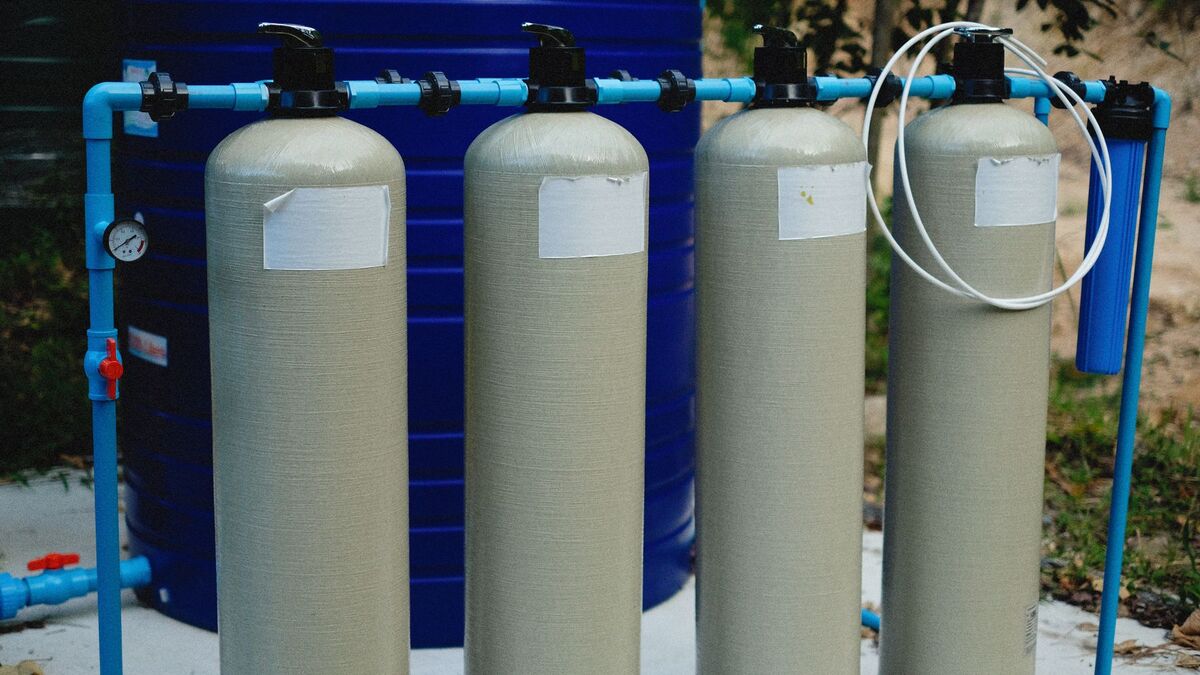
There are three kinds of pool filter, and each one trades off clarity, maintenance and water use differently.
- Cartridge filters trap debris in pleated fabric elements that get pulled out and hosed off. They need no backwashing, so they waste little water, which suits drought-conscious households. The tradeoff is hands-on cleaning a few times a season and periodic cartridge replacement.
- Sand filters push water through a bed of filter sand or an alternative media. They are simple and durable, but they catch the coarsest particles of the three and are cleaned by backwashing, which sends a good amount of pool water to waste each time.
- Diatomaceous earth, or DE, filters coat internal grids with a fine powder and deliver the clearest water. They need backwashing or teardown cleaning and fresh powder, and spent DE has to be handled and disposed of properly rather than rinsed into a storm drain.
Gas heaters versus heat pumps in a mild coastal climate
A gas heater burns natural gas or propane and heats water fast regardless of the weather outside. That speed is why spas almost always have one: you can go from cool to hot tub temperatures within a reasonable wait.
A heat pump works like an air conditioner in reverse, pulling heat out of the surrounding air and moving it into the water using electricity. It heats slowly but uses much less energy per unit of heat delivered, as long as the air is reasonably mild. The South Bay is a good fit for that: the coast rarely gets cold enough to cripple a heat pump, though the marine layer and cool early summer mornings mean the unit will have to work through May and June gray days.
Many South Bay households land on a combination: a heat pump to hold the pool at a steady temperature through the swimming season, and a gas heater for quick spa heating. Gas heaters need required clearances to walls, windows and openings that the manufacturer and the city spell out, and heat pumps need open air on their intake side and somewhere for the cool exhaust air to go. In a narrow side yard those requirements can decide which unit fits at all.
Solar heating on South Bay roofs
Solar pool heating pumps pool water up through panels on a roof or rack, where the sun warms it, and back down to the pool.
The limits are physics and real estate. The roof needs enough unshaded area facing a good direction, the pump has to lift water to that height, and a controller with temperature sensors decides when to send water up. Near the beach, mornings under the marine layer reduce output, so solar tends to work best as one part of a heating plan rather than the only source.
Automation, app control and what it actually changes
A pool automation system ties the pump, heater, lights, valves, sanitizer and sometimes water features to one controller you can run from a wall panel or a phone. At its best, it schedules the pump speed through the day, switches between pool and spa with motorized valves, and warns you when something reads out of range.
The practical gains are fewer trips to the pad, a pump schedule that actually gets set correctly, and the ability to heat the spa on the drive home. When automation is added to an older pool, the job often includes new valve actuators, a new load center and wiring by a qualified electrician, so it pairs naturally with replacing other aging pieces at the same time.
Salt chlorine generators: real tradeoffs near salt air
A salt chlorine generator is not a chlorine-free system. It makes chlorine on site by passing mildly salty pool water through an electrolytic cell. The cell is a wear part and eventually needs replacement, and it has to be cleaned of scale on a regular basis.
The tradeoff that matters most in a beach city is salt itself. Salty water splashing onto natural stone coping and decking can soak in, dry, and leave crystals that slowly spall softer stone. Salt also speeds corrosion of metal around the pool: ladders, handrails, light rings, and some heater components.
None of that rules out a salt system. It does mean choosing stone and finishes rated for it, sealing porous stone, rinsing splash zones, picking heater parts compatible with salt water, and tying all the metal parts of the pool together electrically as the electrical work requires, which a qualified electrician handles.
Ozone and UV systems as a supplement to chlorine
Ozone generators and ultraviolet systems are secondary sanitizers. Both treat the water as it passes through the equipment, destroying many germs and dissolved contaminants before the water returns to the pool. Neither leaves a lasting residual in the pool itself, so some chlorine is still needed in the water to protect swimmers between passes.
What they can do is reduce how much chlorine the pool needs, cut down on chloramine smell and eye irritation, and add a layer of protection against chlorine-resistant germs. They make the most sense on heavily used pools, spas and households sensitive to chlorine; if one sounds right for your setup, reach out with a picture of your pad and ask whether it fits.
Equipment pad layout and plumbing that makes service easy
A well-built pad is laid out in the order the water flows, with room to work on each piece.
- Water comes from the pool through the suction lines into the pump, which should sit low and close to the pool to keep it primed.
- From the pump, water goes to the filter, then to the heater or heat pump, then to any sanitizer cell or secondary sanitizer, and finally back to the returns. Putting a salt cell or chlorinator after the heater keeps concentrated chemistry away from heater internals.
- Unions on each side of every major component let a tech pull a single piece without cutting pipe.
- Check valves and the right diverter valves keep water from flowing backward when the pump shuts off, especially where solar or a raised spa is involved.
- Enough space around each unit, a solid level base, clean drainage and gas and electrical runs that are neat and clearly separated make the next repair faster and safer.
Corrosion in coastal air and how to slow it down
Equipment near the beach, whether on the Strand or a few blocks inland in Hermosa Beach, takes a beating from salt carried on the wind and the marine layer. Heater heat exchangers, burner trays and cabinet panels pit and rust, fasteners seize, electrical terminals oxidize and circuit boards fail early.
Slowing that down is mostly about placement and habits. Keep the pad off bare dirt, give it airflow and shade without trapping moisture, rinse cabinets occasionally with fresh water, and open panels now and then to look for corrosion before it reaches anything critical. When replacing equipment, ask about models and parts built for coastal or salt-water use, and expect that a heater or heat pump close to the water will not last as long as the same unit a few miles inland.
Electrical work and why the metal parts must be tied together
Pumps, heaters, lights and automation all run on electricity close to water, so the wiring, disconnects, ground-fault protection and load center work need to be done by a qualified electrician and inspected where the city requires it.
Separately from grounding, the metal parts of the pool and its equipment, the steel in the shell, ladders and rails, light niches, pump motors and heater cabinets, are tied together electrically so they all sit at the same voltage. When a pump or heater is replaced, that connection has to be reattached to the new unit, and it is worth confirming that it was.
How long pool equipment lasts and when to repair or replace
Lifespans vary with use, water chemistry, installation quality and how close the pad sits to the ocean. As a broad rule, pumps and heaters are mid-life parts, salt cells and cartridges are consumables, and filter tanks and good plumbing can last much longer.
Repair usually wins when the fault is a wear part: a pump seal, a capacitor, an O-ring, an igniter, a flow switch, a cartridge set. Replacement starts to make sense when the core of the unit fails, such as a cracked heat exchanger or a seized motor on an old single-speed pump, when parts are no longer available, or when an efficient replacement will pay back over time. A sensible proposal names the failed component, explains why repair or replacement is the better call, and lists what other connected parts may need attention while the pad is open.
Equipment work is priced after a contractor looks at the pad. Cost drivers include the equipment chosen, whether gas or electrical service needs upgrading, how much plumbing has to be redone, access to the pad and any city review. If the pool itself is leaking or the water will not stay clear even with healthy equipment, the pool repair page covers that diagnosis, and day-to-day care of a new setup is part of weekly pool service. Every community on the service areas page sees this work; send a photo of your pad and the address to get started.
Pool equipment repair and upgrades — common questions
Is a heat pump or a gas heater better for a pool near the beach?
For keeping a pool comfortable through a mild coastal season, a heat pump is usually cheaper to run because it moves heat from the air instead of burning fuel. For heating a spa quickly, gas wins on speed. Many beach-area pools use both. Near the ocean, ask about corrosion-resistant cabinets and coils for either type, since salt air shortens the life of exposed metal. Placement and clearances on a narrow lot can also decide which unit physically fits.
Can I switch my pool from chlorine to a salt system?
Usually, yes. The conversion adds a salt cell to the return plumbing and a control unit, and salt is added to the water to the level the system is designed for. Before converting, look at what the salty water will touch. Soft natural stone coping, some decking, older heater parts and exposed metal fixtures may not tolerate it well. Sealing stone, choosing compatible components and confirming the electrical connections are in good shape make the switch go much more smoothly.
Which pool filter needs the least maintenance?
Sand filters ask the least of you day to day: backwash when the pressure gauge climbs and change the media every several years. Cartridge filters need occasional hosing off and new cartridges now and then, but they save water because they are not backwashed. DE filters give the clearest water and ask for the most care, including recharging powder and periodic teardown cleaning. The best fit depends on whether you value less water waste or less hands-on work.
Why does my pool pump keep losing prime?
A pump that loses prime is usually pulling air into the suction side. Common causes are a low water level that lets the skimmer draw air, a cracked or poorly seated pump lid, a dry or damaged lid O-ring, a loose fitting or valve before the pump, or a leak in the suction plumbing. A clogged skimmer or pump basket can also starve it. Running a pump that keeps losing prime can overheat the seal, so it is worth tracking down quickly.
Is pool automation worth it on an older pool?
It can be, particularly if the pool has a spa, lights and several valves that someone currently switches by hand. Automation sets pump speeds correctly, makes switching between pool and spa simple and lets you check or heat things remotely. On an older pad, the job may grow to include new actuators, a new load center and electrical upgrades, so the full scope should be laid out before you decide. If the equipment is near replacement anyway, adding automation then is efficient.
Do I need a permit to replace a pool heater or pump?
It depends on the work and the city. Swapping a pump like for like may be handled differently from adding a new gas line, upsizing electrical service or installing a heater in a new location. Gas and electrical changes commonly need a permit and inspection. The city building department for the address sets those requirements, so ask the contractor to confirm what applies before work starts and to include any needed permits in the written proposal.
Talk through your site
Start with the address, what you want done, and a few photographs of the area, including anywhere water sits after a heavy rain.
Related work
Pool Construction
New in-ground pools and spas on tight beach-city lots and hillside sites, from design and permits to plaster.
Pool Remodeling and Resurfacing
Replastering, new tile and coping, reshaping, adding a spa or sun shelf, and modernizing an older pool.
Pool Repair
Leaks, cracks, failing plaster, broken lights, stuck valves and the diagnosis that comes first.
Weekly Pool Service and Cleaning
Routine cleaning, water chemistry, filter care and the checks a good weekly service catches early.
Across the metro
Hermosa Beach
Tight walk-street and hillside lots with narrow access, salt air and small backyard pools and spas.
Redondo Beach
A mix of older homes, newer townhomes and hillside lots, plenty of remodels and equipment swaps.
El Segundo
A small-town grid of older homes and remodels, with limited yard space and alley access.
Torrance
Larger lots, mid-century homes with aging pools, and the South Bay busiest market for remodels.
Palos Verdes
Hillside and view lots on the Peninsula with soil and slope questions, big pools and complex access.